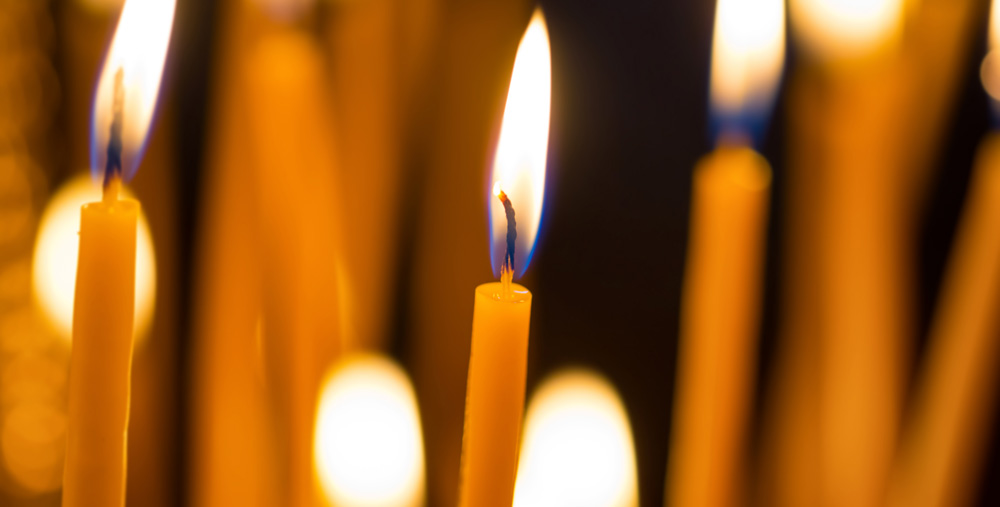
Själva ordet ”kyndelsmässa” är en ombildning av latinets missa candelarum, dvs. ”ljusmässa”. Kyndel är ett gammalt svenskt ord som betyder ”tända eld/ljus” – kinda, kynda. Ordet kan ha med latinets candela att göra (dvs. vax- eller talgljus). Dagen är den ena av endast två Mariadagar (den andra är Marie bebådelsedag i mars) som är kvar från den katolska tiden. Kyndelsmässodagen firas till åminnelse av att Maria bar fram Jesus i templet 40 dagar efter hans födelse.
The very word 'Candle Mass' is a transformation of the Latin missa candelarum. Kyndel is an old Swedish word meaning 'lighted fire / candle' - kinda, kynda. The word may have to do with the Latin candela (ie wax or tallow candle). The day is one of only two Mary days (the other is Marie Annunciation Day in March) that are left from Catholic times. Candlemas Day is celebrated in memory of Mary carrying Jesus to the temple 40 days after his birth.
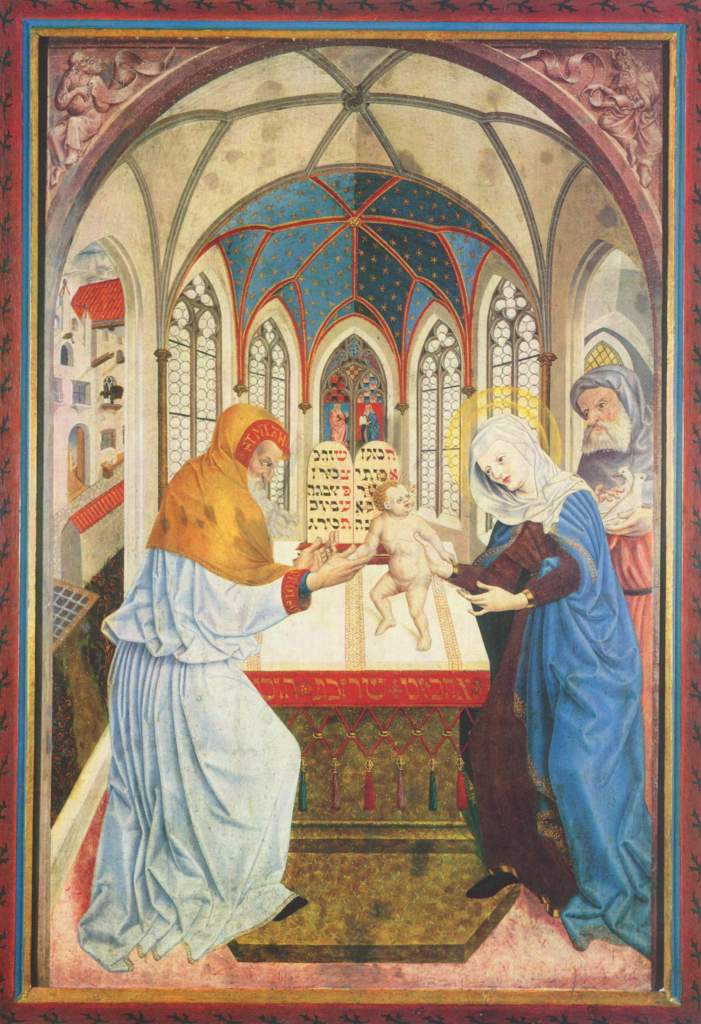
Enligt både Gamla och Nya testamentet skulle nyblivna mödrar kyrktagas, dvs. ledas av prästen in i kyrkan och frambära reningsoffer 40 dagar efter förlossningen (om man fött en pojke, annars blev det hela 80 dagar!), vilket även Maria gjorde. Innan dess betraktades de som orena och fick inte besöka kyrkan, en sed som blev kvar i Sverige fram till 1900-talets början! Då man i fornkyrkan firade Jesu födelsedag den 6 januari hamnade kyndelsmässofirandet på den 14 februari, men flyttades till den 2 februari år 542 då juldagen placerades den 25 december.
According to both the Old and New Testaments, new mothers were to be taken to church, ie. led by the priest into the church and offer purification offerings 40 days after the birth (if they gave birth to a boy, otherwise it was a full 80 days!), which also Mary did. Before that, they were considered unclean and were not allowed to visit the church, a custom that remained in Sweden until the beginning of the 20th century! Since the ancient church celebrated Jesus' birthday on January 6th, the Candle Mass celebration was placed on February 14th, but was moved to February 2nd in 542, when Christmas Day was placed on December 25th.
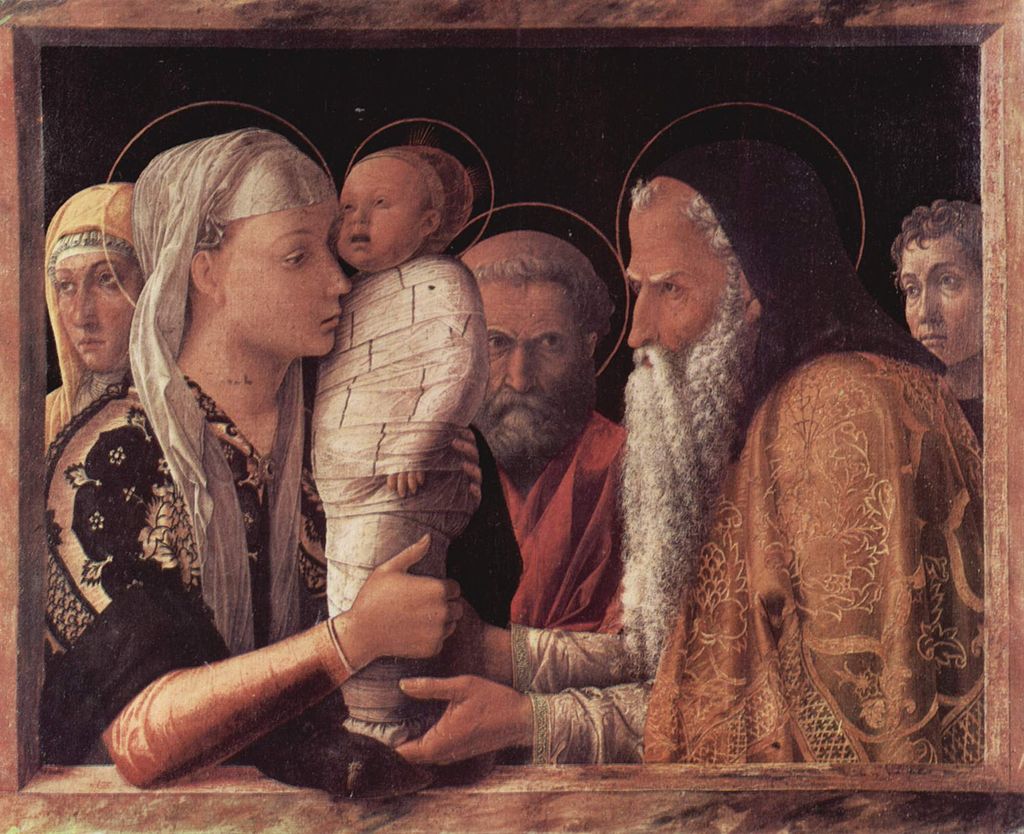
Innan kristendomen spreds till Romarriket firade romarna lupercalierna den 15 februari. Ordet kommer från latinets lupus, varg, och festens syfte var att skrämma bort vargarna inför boskapens betessläppning. Man började med att slakta en hund och ett får och djurens blod smetades i pannan på två ynglingar varefter torkades blodet bort med en ulltott doppad i mjölk under vilken ritual gossarna skulle gapskratta. Efteråt skar man pisksnärtar av djurens hudar och med dem i handen sprang prästerna nakna (med könspartierna dolda av resten av hudarna) runt i staden och piskade kvinnorna som väntade med sina bara rumpor vända mot gatan. Detta var ett slags fruktbarhetsritual då syftet var att de fruar som inte lyckats bli med barn skulle bli fruktsamma. Ljusprocessioner hölls av kvinnor på kvällen i reningssyfte. De hedniska riterna kristnades och blev år 494 inslag i Marie reningsfest. Även det latinska månadsnamnet februari har med februa, rening, att göra.
Before Christianity spread to the Roman Empire, the Romans celebrated the Lupercalis on 15th of February. The word comes from the Latin lupus, wolf, and the purpose of the celebrations was to scare away the wolves before the cattle grazing. They started by slaughtering a dog and a sheep and the animals' blood was smeared on the foreheads of two youngsters, after which the blood was wiped off with a woolen cloth dipped in milk during which the boys would ritually laugh. Afterwards, they cut whips from the animals' skins and with them in their hands, the priests ran naked (with the genitals hidden with the rest of the skins) around the city and whipped the women who were waiting with their bare buttocks facing the street. This was a kind of fertility ritual as the purpose was that the wives who failed to have children would become fertile. Light processions were held by women in the evening for purification purposes. The pagan rites were Christianized and in 494 became part of the Mary purification celebrations. The Latin monthly name February also has to do with februa, purification.
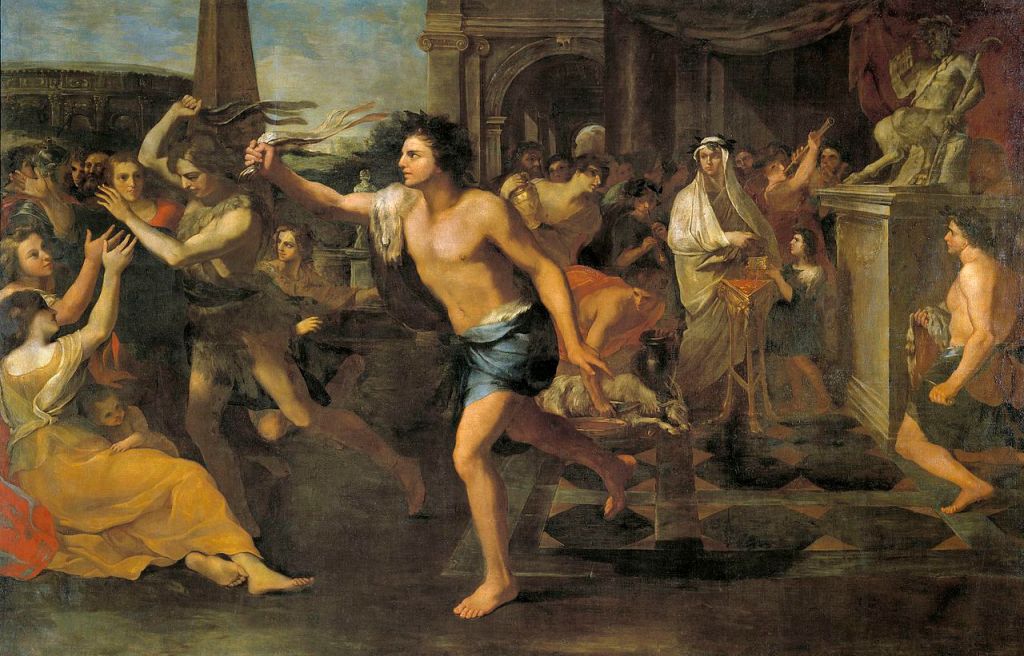
Kyndelsmässodagen var fram till 1772 helgdag och har sedan dess firats i kyrkorna på närmast liggande söndag. Ett nygammalt inslag i dagens kyrkofirande är ljusvigning följd av ljusprocession och ljusmässa vilka ju givit dagen dess namn. Före 1901 har dagen hetat Marie kyrkogångsdag, Marie renselses dag, Purificatio Mariae och även ”kvindersmäss”.
Candlemas Day was a holiday until 1772 and has since been celebrated in the churches on the nearest Sunday. A new-old element in today's church celebration is consecration of candles followed by a light procession and candle mass, which of course gave the day its name. Before 1901, the day was called Mary's Church-going, Marie Purification Day, Purificatio Mariae and also 'Women's Mass'.

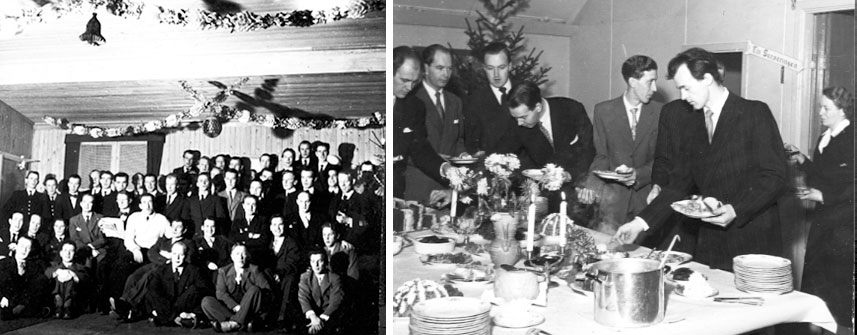
I vissa delar av västra och södra Sverige avslutade man definitivt julfirandet denna dag som gick under namnet ”lillejul” som blev firad med ett sista kalasande på julmaten och dans kring granen. Kyndelsmässodagen associerades tidigt i vissa bygder med ”kvinnomässa” och då skulle kvinnor festa utan karlars närvaro.
In some parts of western and southern Sweden, the Christmas celebrations were definitely ended on this day, which went by the name 'little Christmas', and was celebrated with a final feast on Christmas food and dancing around the Christmas tree. Candlemas Day was early associated in some areas with 'women's fair' and tis day women would party without the presence of men.
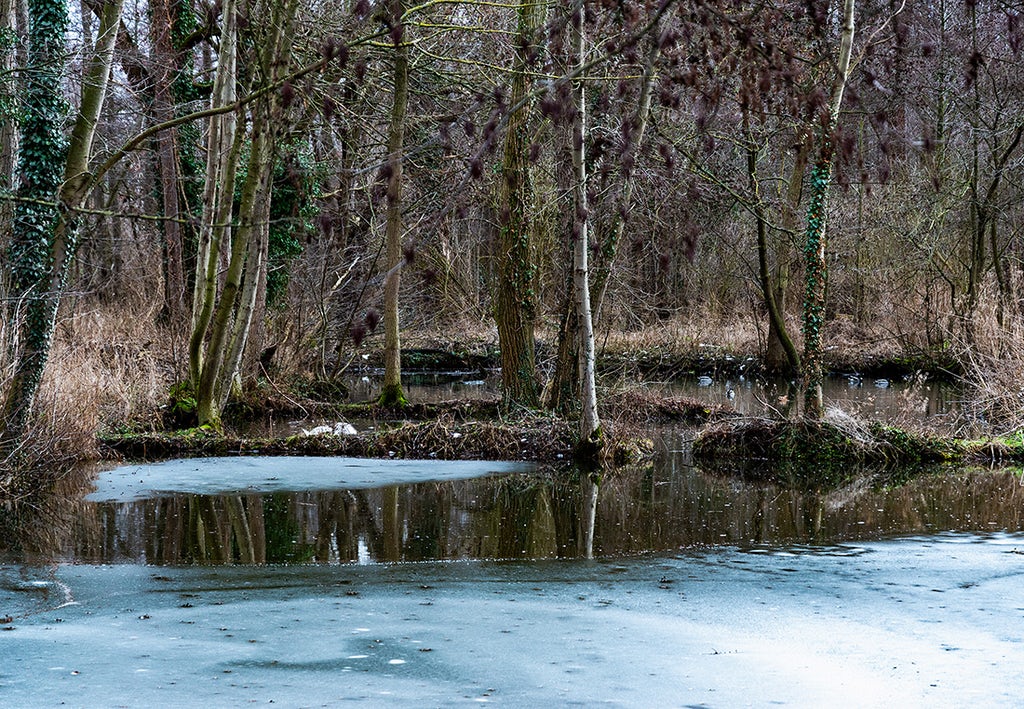
Vid kyndelsmäss skulle man tvätta kläder, för då sades det i västra Sverige att Jungfru Maria lagt såpa i vattnet vilket förmodligen kan gå tillbaka på att smältvattnet får lödder att bildas på vattenytan i åar och bäckar så här års. I sydligaste Sverige har man väntat sig en rejäl köldknäpp då, den s.k. kyndelsmässeknutan. Även i norra Sverige har bönderna fruktat töväder den dagen och menat att det skulle få till följd att sommarvädret blev dåligt – ”Kyndelsmässtö, fruset korn och ruttet hö”, löd ett gammalt rim.
At Candlemass Day, clothes were to be washed, because then it was said in western Sweden that the Virgin Mary put soap in the water, which can probably go back to the melt water causing foam to form on the water surface in rivers and streams this time of the year. In southernmost Sweden, a real cold snap has been expected then, the so-called 'candle mass knot'. Even in northern Sweden, the farmers have feared thaw weather that day and thought that it would result in the summer weather becoming bad - 'Candlemass thaw, frozen barley and rotten hay', was an old rhyme.
 Discover Sweden with Alex